
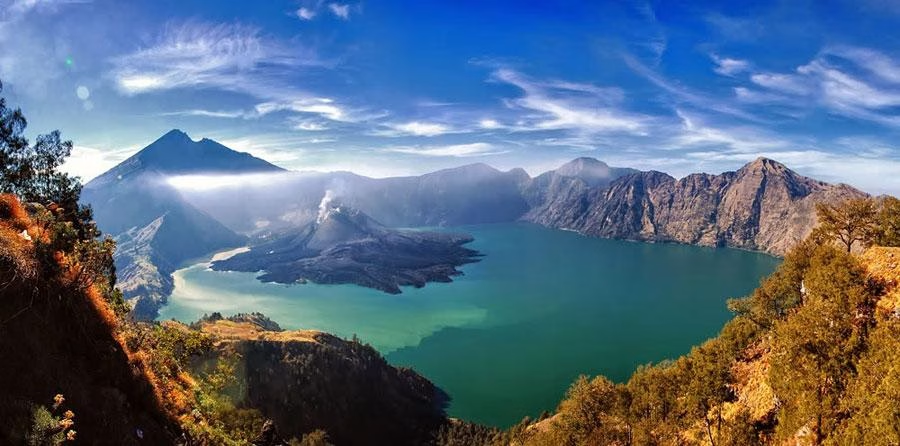
Rinjani trekking rules are becoming increasingly important as more travelers visit Mount Rinjani for adventure and high-altitude hiking experiences. As one of the most iconic volcanoes in Indonesia, Rinjani offers breathtaking scenery, from the vast Segara Anak crater lake to the unforgettable sunrise at the summit.
The growing popularity of trekking on Rinjani reflects a wider trend in adventure tourism, where hikers seek both physical challenges and immersive natural experiences. However, this surge in visitors also raises important concerns related to safety, environmental sustainability, and proper route management.
In this context, Rinjani trekking rules play a crucial role in ensuring that trekking activities remain safe and environmentally responsible. Without clear regulations, risks such as accidents, trail erosion, and ecosystem damage can significantly increase.
As a trusted trekking operator, Kindy Holiday emphasizes the importance of following official guidelines when exploring Rinjani. For those planning their adventure, it is highly recommended to explore the official trekking options available through the Rinjani Trekking Packages which provides safe, regulated, and well-organized trekking experiences.
Latest Update on Rinjani Trekking Rules: South Summit Ban Explained
A recent regulation has drawn significant attention within the trekking community: a strict prohibition on climbing the south summit area of Rinjani. This policy is not merely a suggestion but a firm restriction imposed to address serious concerns identified by authorities and park management.
It is important to clarify that this ban does not apply to the main summit route commonly used by trekkers. The official summit of Rinjani, which stands at 3,726 meters above sea level, remains accessible through designated trekking paths. Instead, the restriction specifically targets the south summit, a less formal and highly dangerous area that has increasingly attracted adventurous hikers.
The introduction of this rule reflects a broader shift toward stricter management of trekking activities on Rinjani. Authorities are now prioritizing safety and conservation over unrestricted exploration, particularly in areas that lack proper infrastructure and monitoring.
Why Rinjani Trekking Rules Restrict the South Summit Area
3.1 Safety Reasons Behind Rinjani Trekking Rules
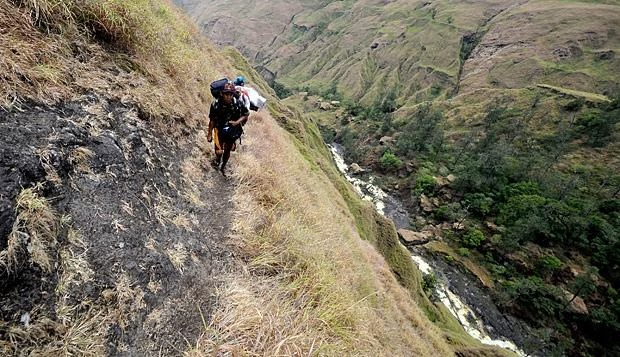
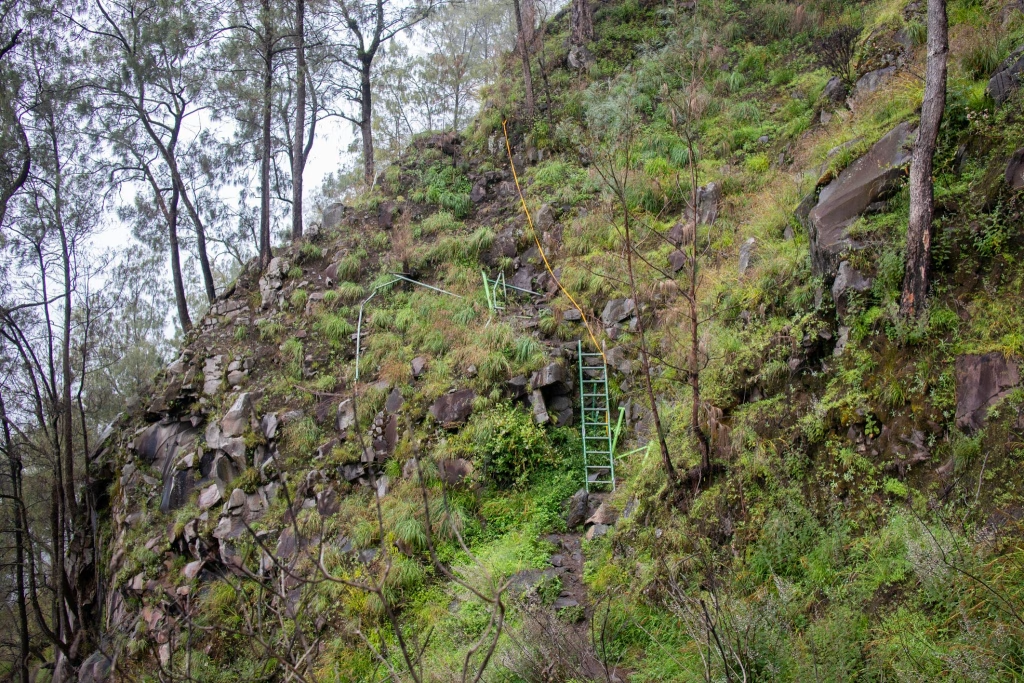
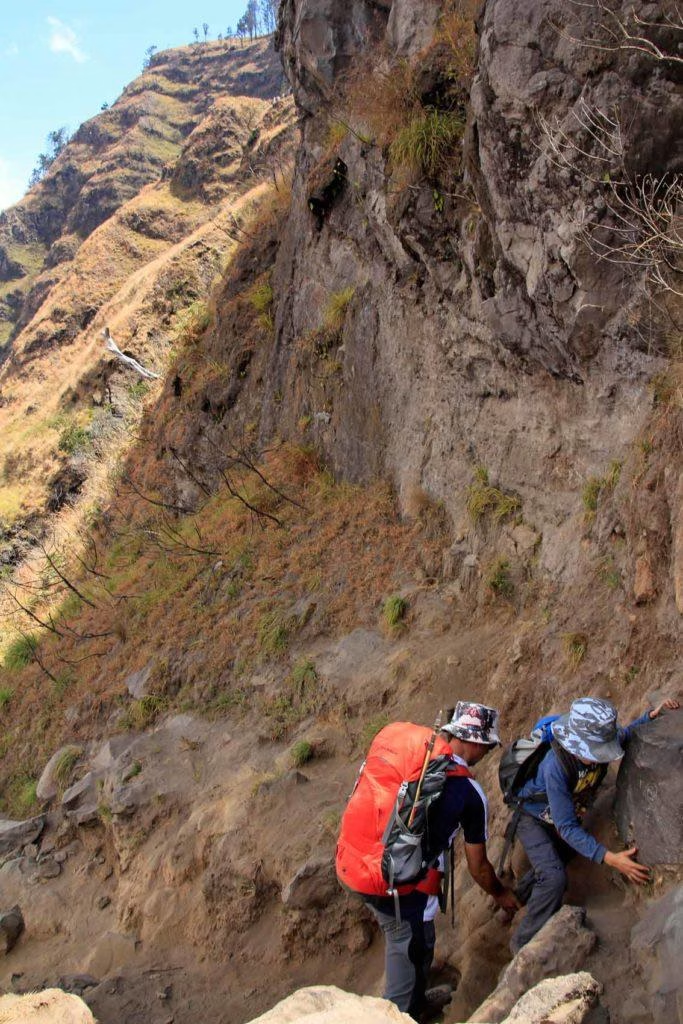
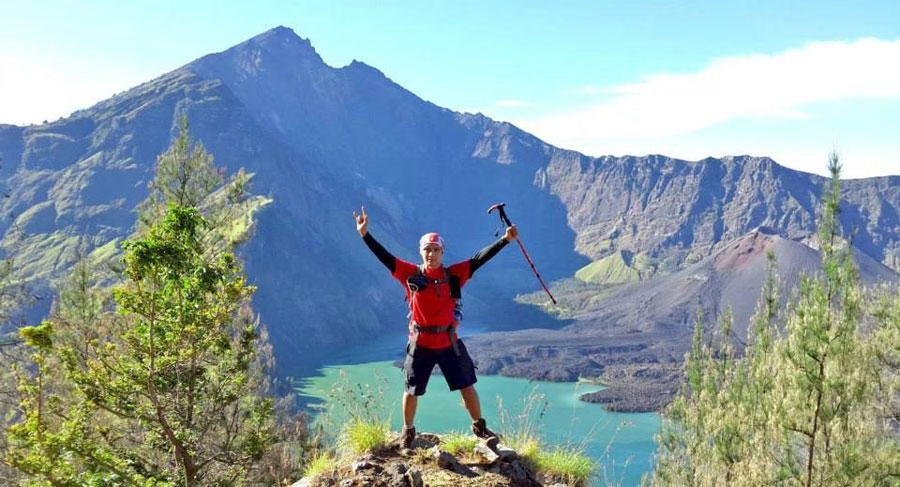
The primary reason for the restriction is the high level of danger associated with the south summit area. Unlike official trekking routes, this region features unstable volcanic terrain, steep ridges, and loose rocks that significantly increase the risk of accidents.
There are no safety installations such as fixed ropes, marked trails, or monitoring systems. In the event of an accident, rescue operations become extremely difficult due to limited access and the absence of official supervision.
This condition illustrates an important principle in mountain trekking: visually attractive locations are not always safe to explore. Even experienced hikers may face serious risks when navigating unregulated terrain.
3.2 Environmental Protection in Rinjani Trekking Rules
Environmental conservation is another key factor behind the implementation of this ban. Rinjani is part of a protected national park ecosystem that supports diverse plant and animal life. Uncontrolled trekking activities in sensitive areas can lead to soil erosion, vegetation damage, and long-term ecological imbalance.
The south summit area lacks established trails, meaning that every step taken by hikers can contribute to environmental degradation. Over time, this can result in irreversible damage to the mountain’s fragile ecosystem.
This situation highlights the importance of sustainable tourism practices, where access to natural areas must be balanced with conservation efforts.
3.3 Route Limitations Under Rinjani Trekking Rules
Another significant reason for the restriction is the absence of officially recognized trekking routes in the south summit area. Unlike established routes such as Senaru and Sembalun, which are equipped with clear trails and guided systems, the south summit has no formal infrastructure.
This lack of structure creates several critical challenges:
- No marked navigation paths
- No safety checkpoints
- No ranger supervision
- No accessible emergency response
As a result, trekking in this area falls entirely outside the official safety framework established by park authorities. This further justifies the strict enforcement of the ban.
What This Means for Trekkers
For those planning to hike Rinjani, this regulation does not reduce the overall experience—it enhances safety and sustainability. The official trekking routes and the main summit remain open and continue to offer some of the most spectacular views in Indonesia.
However, this update reinforces the importance of responsible trekking behavior. Hikers are strongly encouraged to:
- Follow designated routes
- Respect official regulations
- Avoid unauthorized paths
- Prioritize safety at all times
In this context, choosing a reliable trekking operator becomes essential. Kindy Holiday ensures that all trekking programs comply with the latest regulations while providing a safe, well-organized, and enjoyable experience.
Trekkers can still fully experience the beauty of Rinjani through carefully designed itineraries such as crater rim treks, summit hikes, and lake explorations—all conducted within safe and approved routes.
Recommended Official Rinjani Trekking Routes
With the implementation of stricter Rinjani trekking regulations, choosing the right route has become more important than ever. Fortunately, the official trekking routes on Mount Rinjani remain open, well-maintained, and offer incredible experiences for all types of hikers.
To ensure safety and compliance, it is highly recommended to choose licensed trekking programs provided by experienced operators like Kindy Holiday.
Here are the best official trekking options you can consider:
1. 2D1N Crater Rim Trek – Perfect for Beginners
This short trek is ideal for those who want to experience Rinjani without committing to a summit climb. You will hike to the crater rim and enjoy stunning views of Segara Anak Lake.
👉 2D1N Crater Rim Trek
Highlights:
- Suitable for beginners
- Amazing sunset and sunrise views
- Lower physical demand
2. 2D1N Summit Trek – Fast-Paced Adventure
For experienced hikers with limited time, this package offers a direct route to the summit of Rinjani.
👉 2D1N Summit Trek
Highlights:
- Reach the summit in just 2 days
- Challenging but rewarding
- Ideal for fit and experienced trekkers
3. 3D2N Summit & Lake Trek – The Most Popular Option
This is the most recommended trekking package as it combines summit climbing with exploration of Segara Anak Lake.
👉 3D2N Summit & Lake Trek
Highlights:
- Complete Rinjani experience
- Visit crater lake and hot springs
- Balanced pace and itinerary
4. 4D3N Trekking Package – More Relaxed Exploration
This package is perfect for those who want a slower and more enjoyable trekking experience.
👉 4D3N Trekking Package
Highlights:
- Extra time to enjoy nature
- Less physical pressure
- Ideal for photography and relaxation
5. 5D4N Full Experience – Ultimate Rinjani Adventure
For those who want to explore Rinjani in depth, this is the most comprehensive trekking option.
👉 5D4N Full Experience
Highlights:
- Full exploration of Rinjani
- Maximum immersion in nature
- Best for adventure enthusiasts
All these trekking programs follow official routes and fully comply with the latest Mount Rinjani restrictions, ensuring both safety and environmental responsibility.
Safe Hiking Tips Following Rinjani Trekking Rules
Following the new Rinjani trekking rules, preparation and awareness are key to a successful hike. Here are essential tips every trekker should follow:
1. Always Follow Official Regulations
Avoid restricted areas such as the south summit. These rules are designed to protect both hikers and the environment.
2. Choose a Licensed Trekking Operator
Booking with a professional team like Kindy Holiday ensures:
- Certified guides
- Safety equipment
- Route compliance
- Emergency support
3. Prepare Physically and Mentally
Rinjani is a challenging mountain. Proper fitness preparation is crucial for a safe trekking experience.
4. Respect Nature
Follow “Leave No Trace” principles:
- Do not litter
- Stay on marked trails
- Avoid damaging vegetation
5. Check Weather and Conditions
Weather changes rapidly on Rinjani. Always rely on updated information from your trekking organizer.
Why Choose Kindy Holiday for Your Rinjani Trekking Experience
Choosing the right trekking partner is essential, especially with the latest Rinjani summit rules in place.
Kindy Holiday stands out as a trusted and professional trekking provider in Lombok.
Key Advantages:
- ✅ Experienced local guides
- ✅ Full compliance with national park regulations
- ✅ High safety standards
- ✅ Well-organized itineraries
- ✅ Complete trekking packages
Whether you are a beginner or an experienced hiker, Kindy Holiday ensures that your journey to Mount Rinjani is safe, enjoyable, and unforgettable.
Conclusion: Understanding Rinjani Trekking Rules for a Safer Adventure
The ban on the south summit is not a limitation—it is a necessary step toward safer and more sustainable trekking on Rinjani. By understanding and respecting these regulations, hikers can still fully enjoy one of Indonesia’s most iconic adventures.
With proper planning, the right mindset, and a trusted partner like Kindy Holiday, your Rinjani trekking experience will remain both thrilling and secure.