
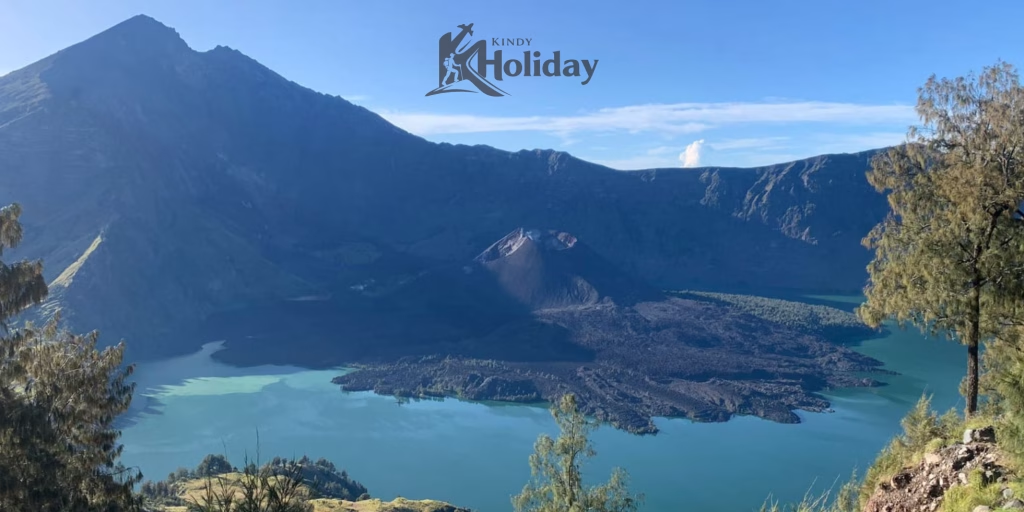
Mount Rinjani is widely recognized as one of the most outstanding trekking destinations in Southeast Asia. Located on Lombok Island, this active volcano attracts adventurers from around the world who are seeking both a physical challenge and breathtaking natural scenery.
Standing at 3,726 meters above sea level, Mount Rinjani is the second-highest volcano in Indonesia. This elevation significantly influences the trekking experience, as hikers must deal with thinner air, colder temperatures, and increasingly rugged terrain as they ascend.
The Rinjani trekking experience is not limited to reaching the summit. It is a complete journey that includes crater exploration, lakeside camping, and traversing diverse landscapes. Trekkers move through open savanna hills, dense tropical forests, volcanic ridges, and eventually the summit zone. This variety makes Mount Rinjani a multi-dimensional trekking destination rather than a single-point objective.
This guide is designed to provide a complete overview of Mount Rinjani trekking, including routes, difficulty levels, timing, and available trekking packages. It serves as a foundational reference for anyone planning their trek.
To explore guided trips and plan your journey, visit: Rinjani Trekking Package
Where is Mount Rinjani Trekking Located?
Mount Rinjani is located on Lombok Island, within the province of West Nusa Tenggara, Indonesia. It is part of Mount Rinjani National Park, a protected area known for its rich biodiversity and volcanic landscapes.
The geographical position of Mount Rinjani contributes significantly to its appeal. The mountain rises from coastal and lowland regions into high-altitude volcanic terrain, offering a dramatic environmental transition throughout the trek.
Access to Mount Rinjani is relatively convenient. Travelers can arrive via Lombok International Airport or take a ferry from Bali. From there, transportation is arranged to one of the main trekking entry points:
- Sembalun (eastern route)
- Senaru (northern route)
- Torean (alternative scenic route)
Each entry point leads to a different trekking experience, making route selection an important part of trip planning.
Why Mount Rinjani Trekking is Worth It?
Mount Rinjani offers a combination of physical challenge and natural beauty that is difficult to find elsewhere. Several key elements explain why it is considered a top trekking destination.
Mount Rinjani Trekking Summit Experience
Reaching the summit of Mount Rinjani is one of the most rewarding achievements for trekkers. The sunrise view from the top reveals a vast panorama that includes Lombok, Bali, and Sumbawa. The final ascent, often done before dawn, is both physically demanding and visually unforgettable.
Segara Anak Lake in Mount Rinjani Trekking
Segara Anak Lake is located within the volcanic crater and is one of the most iconic features of Mount Rinjani. Its deep blue waters contrast sharply with the surrounding rocky terrain, creating a unique and dramatic landscape.
This highlight is best experienced through: Rinjani 3D2N Summit & Lake Trek
Natural Hot Springs on Mount Rinjani Trekking Route
Near the lake, natural hot springs provide an opportunity to relax after long trekking hours. These geothermal features are a unique aspect of the Rinjani experience and add to its appeal.
Diverse Landscapes in Mount Rinjani Trekking
One of the defining characteristics of Mount Rinjani is its landscape diversity. Trekkers encounter savanna plains, tropical forests, steep ridges, and volcanic slopes within a single journey. This variation ensures that the trekking experience remains dynamic from start to finish.
Main Mount Rinjani Trekking Routes
Mount Rinjani offers several official trekking routes, each with distinct characteristics and advantages.
Sembalun Route for Mount Rinjani Trekking
The Sembalun route is the most popular option for trekkers aiming to reach the summit. It features wide open savanna landscapes and a relatively gradual ascent, making it suitable for a steady climb.
Key characteristics:
- Long but consistent incline
- Open terrain with expansive views
- Ideal for summit-focused trekking
Recommended option: Rinjani 2D1N Summit Trek
enaru Route in Mount Rinjani Trekking
The Senaru route begins in a dense tropical forest and leads to the crater rim. It is often chosen by trekkers who prefer scenic views without attempting the summit.
Key characteristics:
- Shaded forest trail
- Rich vegetation and wildlife
- Direct access to crater rim viewpoints
Torean Route for Mount Rinjani Trekking
The Torean route is known for its natural beauty and quieter atmosphere. It passes through rivers, waterfalls, and jungle environments, offering a more immersive nature experience.
Key characteristics:
- Highly scenic and less crowded
- Diverse ecosystems
- Often used as a descent route
Commonly included in: Rinjani 4D3N Trekking Package
Mount Rinjani Trekking Difficulty Level
Mount Rinjani is generally classified as a moderate to hard trek, depending on the route and duration selected.
Several factors contribute to its difficulty:
- Loose volcanic sand, especially during the summit ascent, which makes climbing more physically demanding
- Long trekking hours, typically ranging from 6 to 10 hours per day
- Unpredictable weather conditions, including strong winds and sudden temperature drops
The level of difficulty varies depending on the itinerary. Shorter treks tend to be more intense, while longer treks distribute the physical effort over multiple days.
For a less demanding option, consider: Rinjani 2D1N Crater Rim Trek
This variation shows that choosing the right trekking package plays a crucial role in aligning the challenge level with individual fitness and experience.
Best Time for Mount Rinjani Trekking
Choosing the right time to trek Mount Rinjani is a critical factor that directly affects safety, visibility, and overall experience. The trekking season is regulated by Mount Rinjani National Park, which officially closes the mountain during the peak rainy season.
Trekking Season Overview
Mount Rinjani is generally open for trekking from April to December, while it is closed from January to March due to heavy rainfall, landslide risks, and trail maintenance.
This seasonal pattern reflects the broader tropical climate of Lombok Island, where weather conditions significantly influence mountain accessibility.
Best Months to Trek
The trekking season can be further classified into three main periods:
Dry Season (May – September) – Best Time
- Clear skies and stable weather
- Ideal for summit views and photography
- Safer trekking conditions
Shoulder Season (April & October)
- Moderate weather conditions
- Fewer crowds
- Occasional rain possible
Late Season (November – December)
- Increasing rainfall
- Trails may become slippery
- Visibility may be limited
Why Timing Matters
Weather conditions on Mount Rinjani can change rapidly, especially at higher altitudes. Clear weather not only improves visibility but also reduces risks associated with slippery trails and strong winds.
In this context, trekking during the dry season significantly increases the chances of a successful summit attempt and an overall enjoyable experience.
For a more detailed breakdown, read: Best Time to Trek Mount Rinjani
Mount Rinjani Trekking Packages Overview
Trekking Mount Rinjani is typically done through organized packages due to national park regulations and the logistical complexity of the hike. These packages include guides, porters, meals, and camping equipment, ensuring both safety and convenience.
In practice, Rinjani trekking packages can be classified based on duration and experience level.
Short Trek Options (Beginner-Friendly)
These packages are suitable for those with limited time or moderate fitness levels.
- Rinjani 2D1N Crater Rim Trek
Focuses on reaching the crater rim without attempting the summit. - Rinjani 2D1N Summit Trek
A fast-paced option designed for reaching the summit in a short time.
Most Popular Option (Balanced Experience)
This is the most recommended package because it offers a complete experience:
- Summit climb
- Crater rim views
- Exploration of Segara Anak Lake
Extended Experience (Full Exploration)
These longer itineraries allow for:
- Slower trekking pace
- Deeper exploration of the landscape
- More flexibility and rest time
To compare all options and choose the best itinerary: Rinjani Trekking Package
How to Prepare for Mount Rinjani Trekking
Preparation is a key determinant of trekking success. A well-prepared trekker is more likely to complete the journey safely and comfortably.
Physical Preparation
- Engage in cardio training such as running, hiking, or cycling
- Build endurance for long trekking hours
- Practice walking on inclined terrain
Essential Gear
- Proper trekking shoes with strong grip
- Warm clothing for cold temperatures at higher altitudes
- Headlamp for early morning summit attempts
- Personal essentials (gloves, hat, rain protection)
Mental Readiness
- Prepare for physically demanding conditions
- Stay adaptable to weather changes
- Maintain a steady pace throughout the trek
For a complete checklist, read: Rinjani Packing List & Preparation Guide
Mount Rinjani Trekking FAQ
Yes, beginners can trek Mount Rinjani by choosing appropriate packages such as the crater rim trek.
Yes, trekking must be done with a licensed guide in accordance with regulations from Mount Rinjani National Park.
The 3D2N package is generally considered the best balance between challenge and experience.
Yes, as long as you follow safety guidelines, use professional guides, and trek during the official season.
Start Your Mount Rinjani Trekking Today
Mount Rinjani offers more than just a hiking experience—it presents a journey through diverse landscapes, physical challenges, and unforgettable natural beauty. With various trekking routes and package options available, every traveler can find an itinerary that suits their time, fitness level, and expectations.
Start planning your adventure here with Kindy Holiday: